Loading…

Loading…
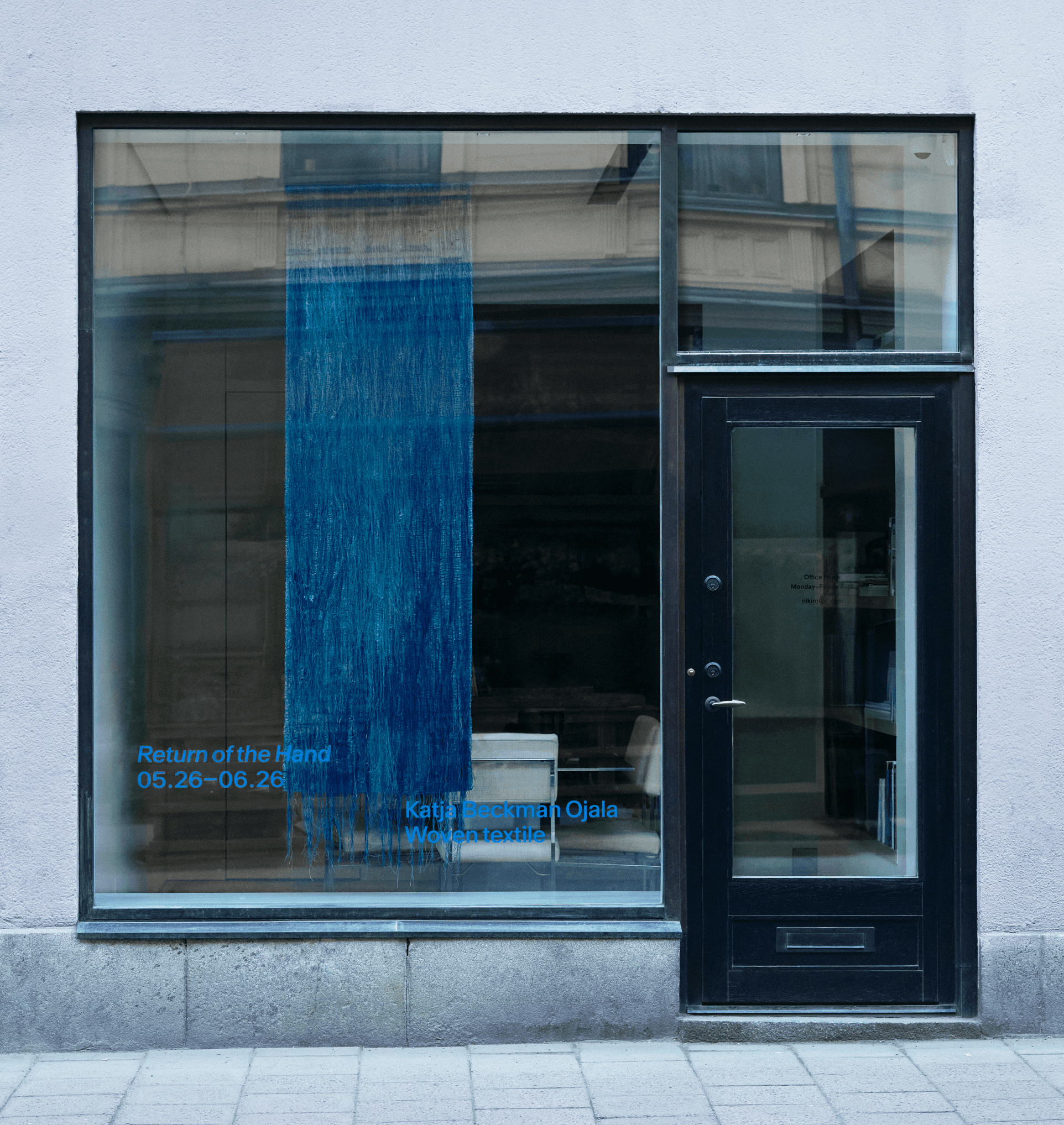
Return of the Hand is an ongoing exhibition series by Studio Niki Rollof celebrating the artists, artisans and makers whose work informs and inspires our practice. Rooted in a shared appreciation for craftsmanship, materiality and skilled making, the series offers a closer look at the people, processes and traditions behind contemporary craft through studio visits, installations and conversations.
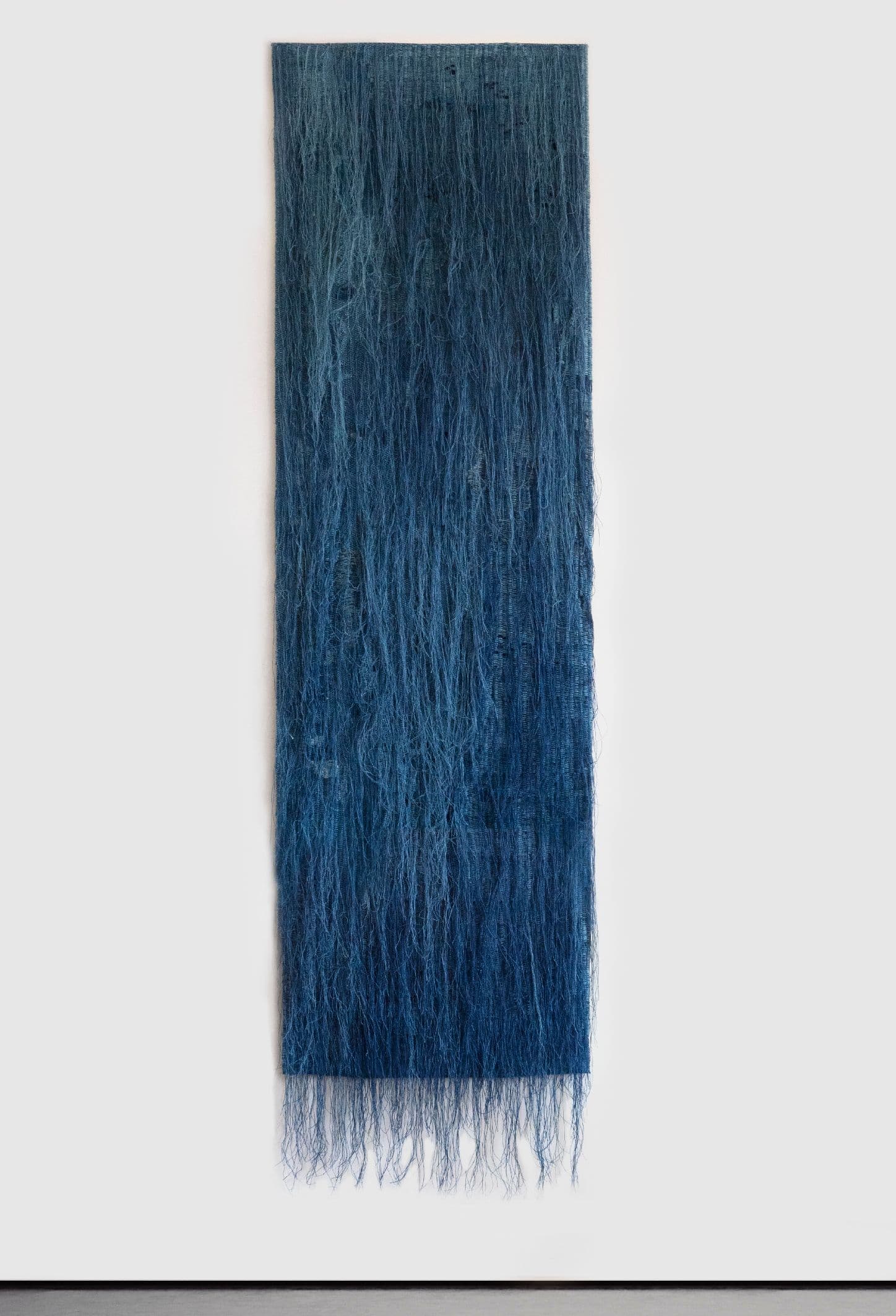
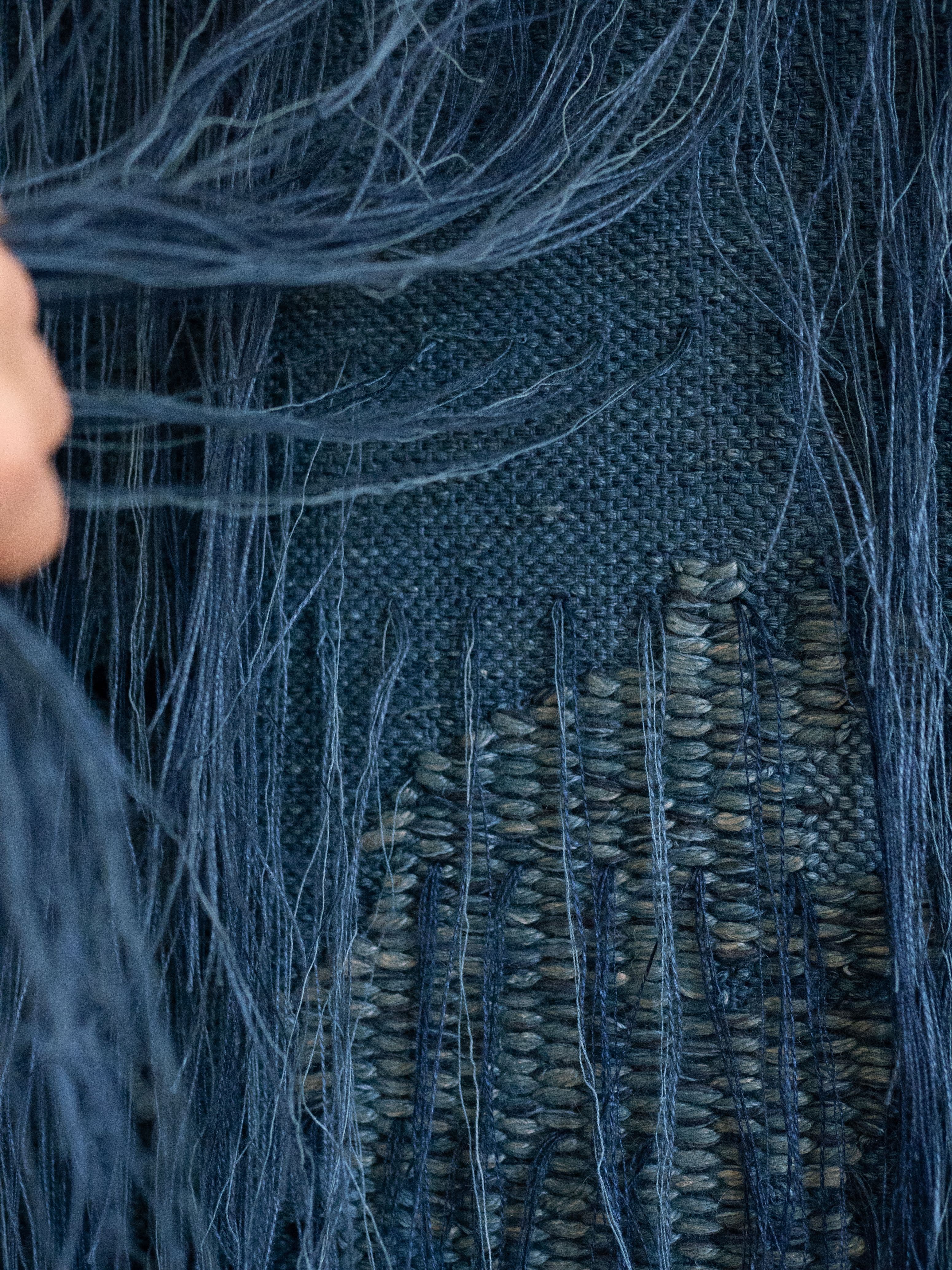
Katja Beckman first began sewing clothes, seeing garments as wearable sculptures rather than fashion. Over time, those sculptural forms moved away from the body and into free-standing works, eventually onto the wall. Working with textiles, weaving and mixed materials, Beckman moves freely between contemporary art and craft, guided by a deep interest in storytelling, material knowledge and traditional techniques.
NR: What first drew you to a career in the arts?
KB: I think it started with having a creative mind and a curiosity to make things and explore what I could create. At first, I wasn’t necessarily aiming for a career in art, I wanted to work in a theatre costume department. I spent a lot of time sewing clothes and saw them as wearable sculptures. Over time, those sculptures moved away from the body into free-standing forms, and eventually onto the walls. In the end, I think it all came down to a desire to express my ideas without limitations.
NR: How would you define contemporary craft today?
KB: The line between fine art and craft is getting more and more blurred, which I think is good. I mean, people have always created art in the ”craft field”. It’s hard for me to say, I do work with a craft skill, which I value highly, but I’ve never made things that are supposed to be used as an object, so I don’t feel restricted by the terminology or the ”it should be done like this” or ”it should be like this”.
NR: What is it about craft, in particular, that appeals to you most?
KB: It’s the ability to create my own ideas, to be in control of the material. Someone said that your imagination is as big as your vocabulary, I think about it in the same way, the deeper skills I have, the more I’m able to expand on my ideas. I can make conscious decisions of which material and technique that will benefit my idea best, so that I don’t have to compromise my ideas.
NR: It’s often said that we should treat the past as an advantage without feeling trapped by it. With that in mind, what aspects of traditional woven textiles continue to inspire you?
KB: I find the story telling in textiles interesting. From depicting history in large tapestries hanging in castles to the symbols used in carpets and secret code messages in knitting.
NR: If you were asked to create a piece inspired by a single object—a painting, sculpture, or antique—what would you choose, and why?
KB: I don’t know, I find a lot of inspiration in rocks.