Loading…

Loading…
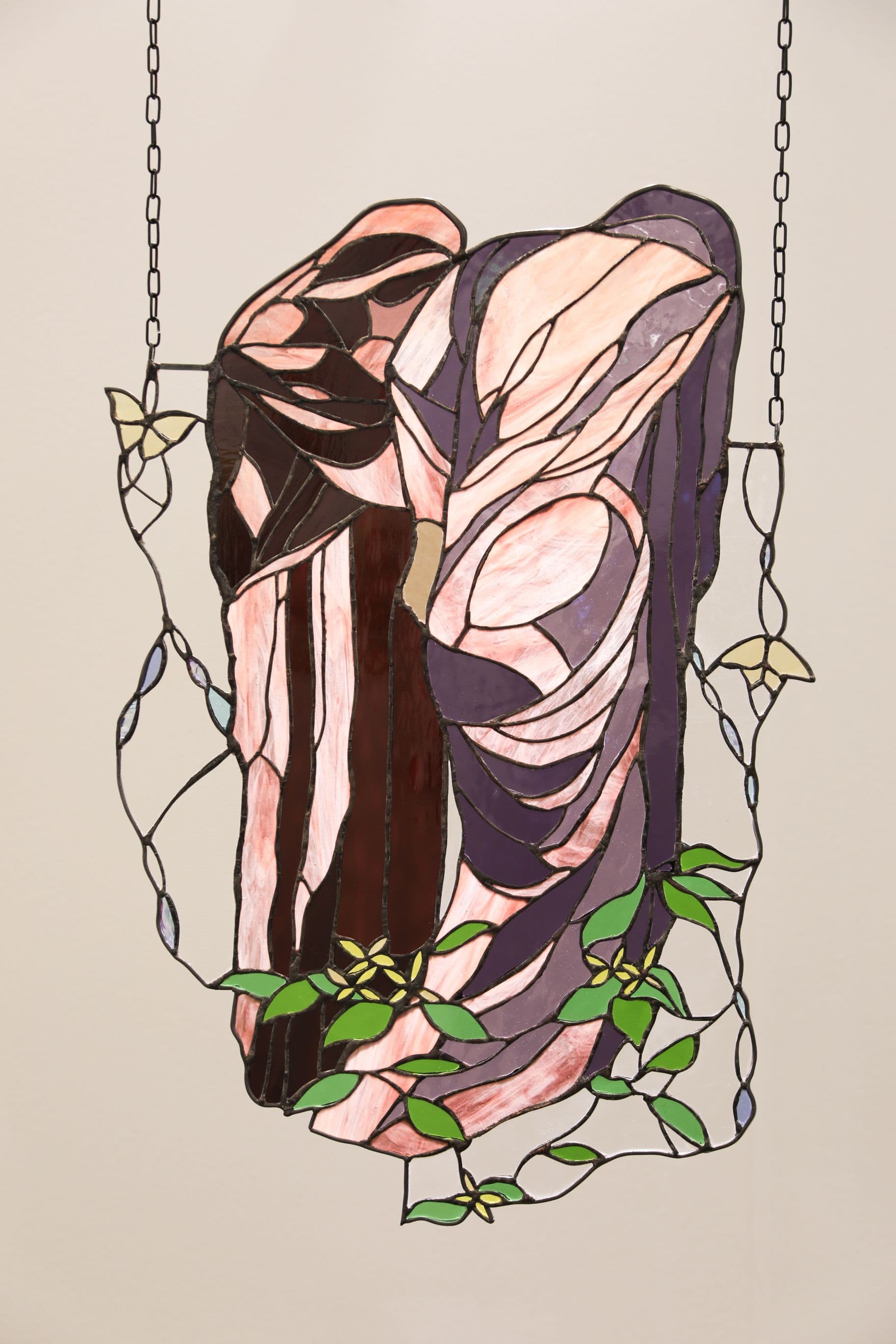
Return of the Hand is an ongoing exhibition series by Studio Niki Rollof celebrating the artists, artisans and makers whose work informs and inspires our practice. Rooted in a shared appreciation for craftsmanship, materiality and skilled making, the series offers a closer look at the people, processes and traditions behind contemporary craft through studio visits, installations and conversations.
Lucie Gottlieb came to stained glass through a background in art history and curating, with a particular interest in medieval art and architecture. Working with traditional stained-glass techniques, she draws on fables, folklore and mythology to explore storytelling through a contemporary lens. Her practice brings centuries-old craftsmanship into the present, using glass to reflect on transformation, memory and our relationship to one another.
NR: What first drew you to a career in the arts?
LG: I never imagined that I would or could become an artist, but I've always known that I wanted to work within the art field. It wasn't one particular thing that drew me to it; it felt self-evident, almost inevitable. For many years, I worked as a curator and cultural producer before developing my own artistic practice. At some point, I realised I needed something that was my own, and turning to stained glass felt like a natural choice.
I have a bachelor’s degree in art history and studied medieval architecture, particularly churches and cathedral interiors. Looking back, I think this unconsciously shaped my sensitivity to the medium long before I began working with it myself.
NR: How would you define contemporary craft today?
LG: Contemporary craft is difficult to define because it is constantly evolving and shaped by practitioners with very different motivations and ways of working. There is a world of difference between my work and that of the craftswomen I learned from. They create stained-glass windows as part of architecture, while I use the same techniques to create autonomous artworks, functional or not.
What we have in common is an understanding of and respect for the material. It is about making things with care and doing something well for its own sake.
NR: What is it about craft, in particular, that appeals to you most?
LG: I like that stained glass is so labour-intensive. The many stages allow me to develop a relationship with the work and a real attachment to it. I also like having to tame a material that shows so much resistance. Glass is fragile, pretty and shiny, but also cruel: cold, hard and sharp. You have to fight with it but also respect it because it will fight back, break in your hands and make you bleed. I think I needed it to cure my digital fatigue.
NR: Without feeling constrained by tradition, what aspects of traditional stained glass techniques continue to inspire your work today?
LG: Although the style of my work is contemporary, my process derives almost entirely from traditional techniques used for centuries. When I paint on glass, I am particularly inspired by the brushwork of the High and Late Middle Ages, especially the way acanthus leaves and ornamental details were painted.
NR: If you were asked to create a piece inspired by a single object—a painting, sculpture, or antique—what would you choose, and why?
LG: I am more inspired by stories, memories and experiences. It is thrilling to translate something intangible into something as physical and material as stained glass. Let’s say, then, the poem Auguries of Innocence by William Blake.